
11 Series Available
Select a series to view detailed specifications, dimensional drawings, and ordering information.
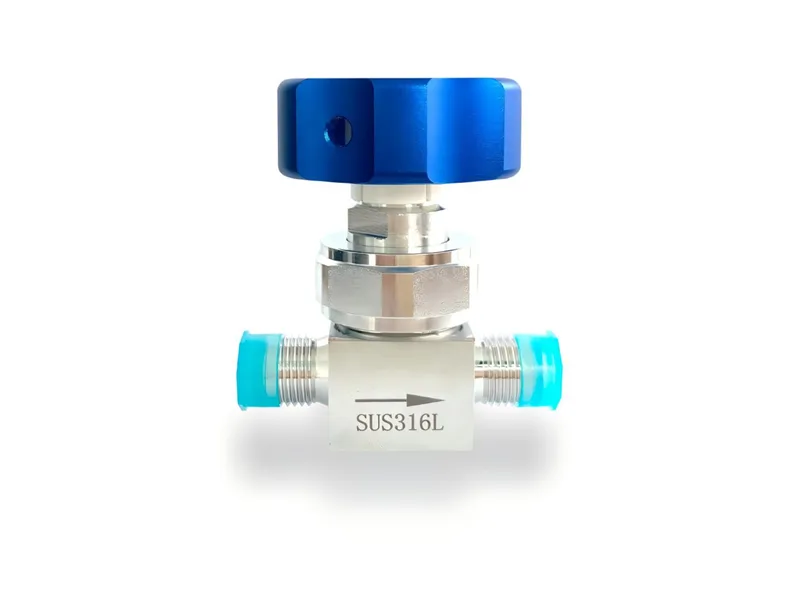 UHP
UHPStandard UHP Manual Diaphragm Valve
Springless hard-metal diaphragm seal for ultra-high purity semiconductor gas service. Low and high pressure variants in a single series.
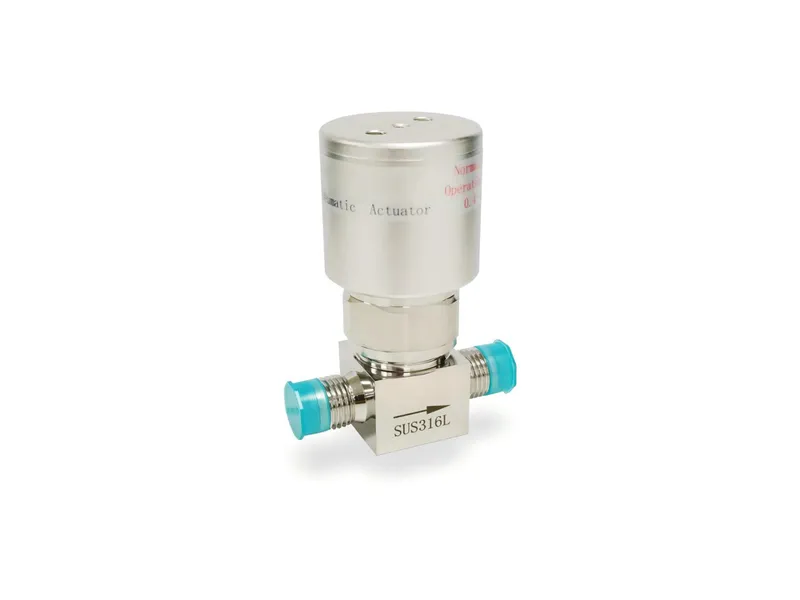 UHP
UHPPneumatic NC/NO Diaphragm Valve
Fast, repeatable pneumatic actuation with hard-metal diaphragm seal for UHP semiconductor gas service.
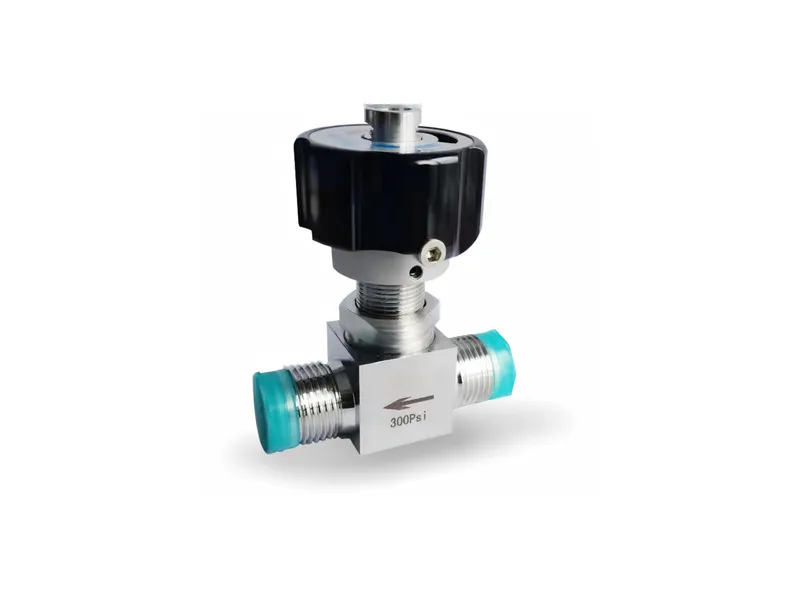 UHP
UHPManual Diaphragm Valve with Status Indicator & LOTO
Visual open/close status indicator and optional LOTO lockout for safety-critical UHP gas isolation points.
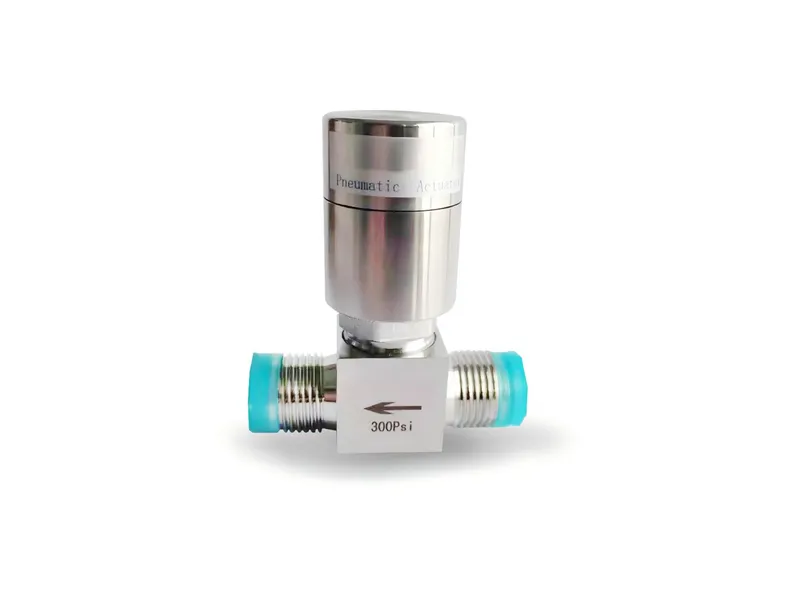 HP
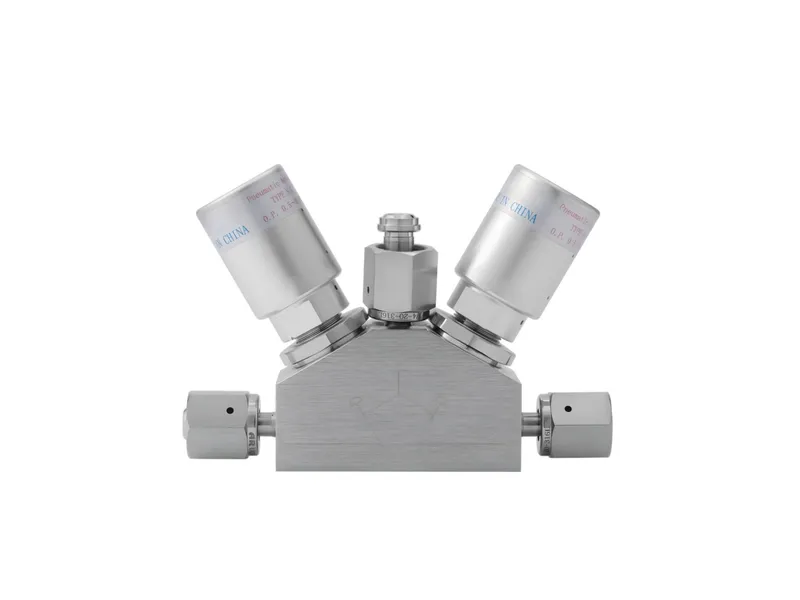
HPHigh-Pressure Small-Flow Diaphragm Valve —DV4 Series
High-pressure small-flow diaphragm valve for ultra-high purity applications. GP/HP/UHP three process grades available.
 HP
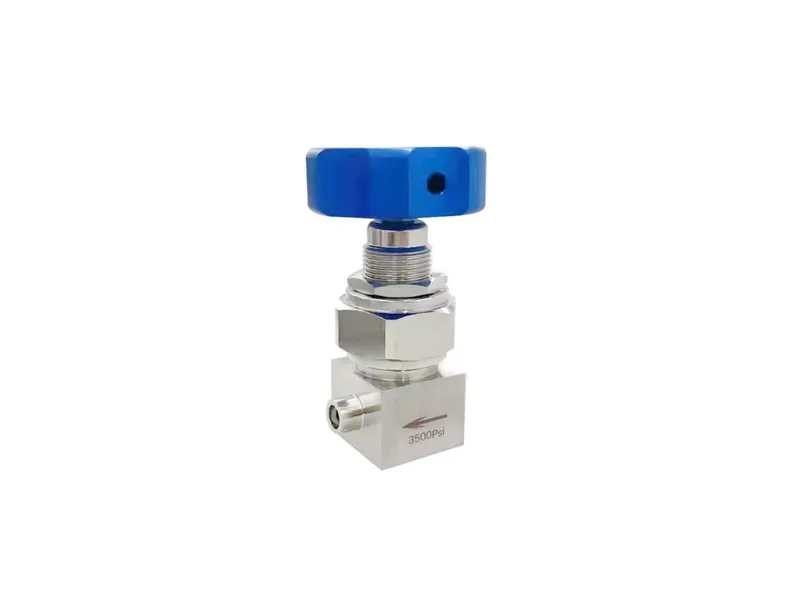
HPHigh-Pressure Medium-Flow Diaphragm Valve —DV5 Series
High-pressure medium-flow diaphragm valve for ultra-high purity applications. Spring-loaded design. GP/HP/UHP three process grades available.
 HP
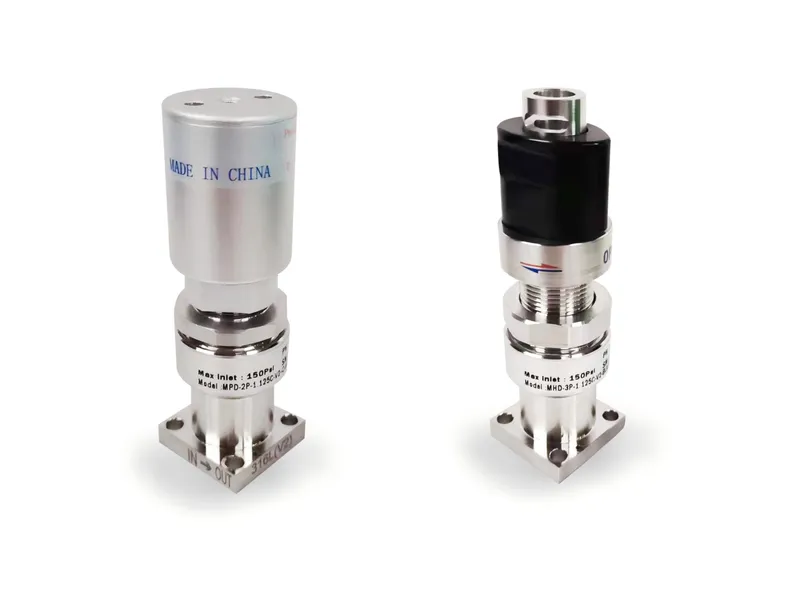
HPMedium-Pressure Medium-Flow Diaphragm Valve —DV6 Series
Medium-pressure medium-flow diaphragm valve for ultra-high purity applications. No internal threads or springs. GP/HP/UHP three process grades available.
 HP
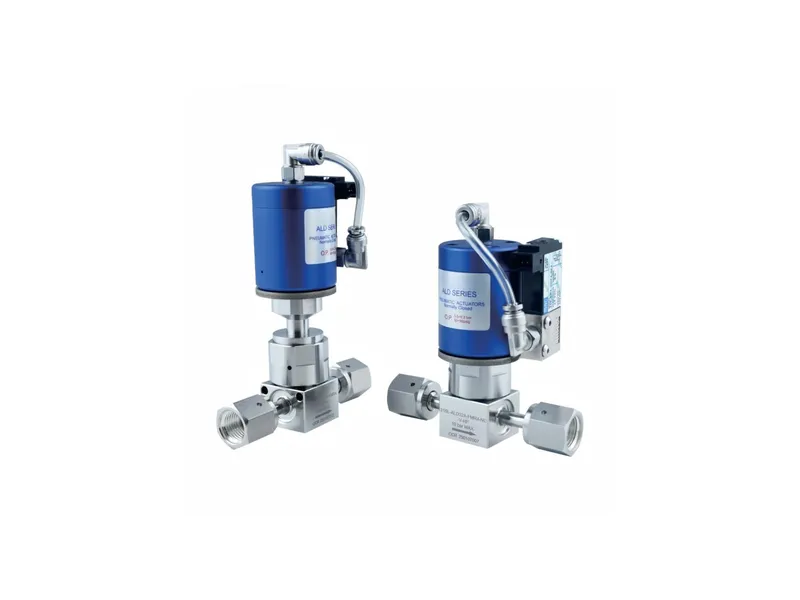
HPHigh-Pressure Spring-Return Diaphragm Valve —DV7 Series
High-pressure spring-return diaphragm valve. Spring-return stem allows full operation under vacuum conditions. GP/HP/UHP three process grades available.
 UHP
UHPAtomic Layer Deposition Diaphragm Valve —ALD Series
Ultra-fast ALD valve for atomic layer deposition. <15 ms response, PFA seat, up to 200 °C.
 HP
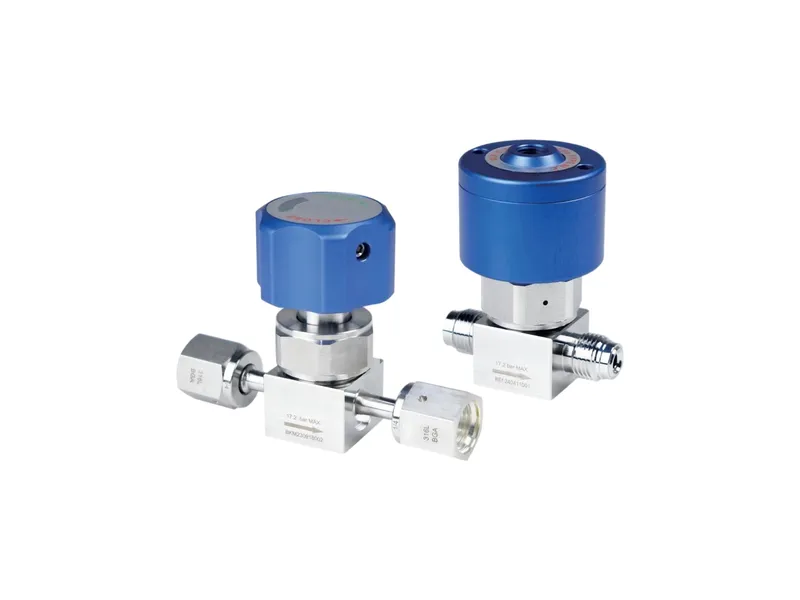
HPLow-Pressure Small-Flow Diaphragm Valve —DV1 Series
Low-pressure small-flow, Cv 0.3, up to 250 psig. Compact design, PCTFE or PFA seat. Manual or pneumatic.
 HP
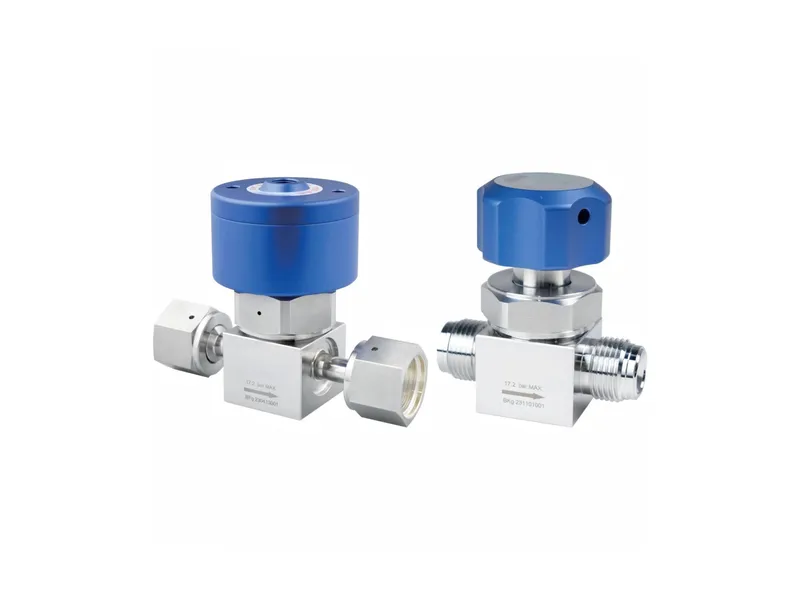
HPLow-Pressure Medium-Flow Diaphragm Valve —DV2 Series
Low-pressure medium-flow, Cv 0.65, up to 250 psig. 6 mm bore, pneumatic or manual.
 HP
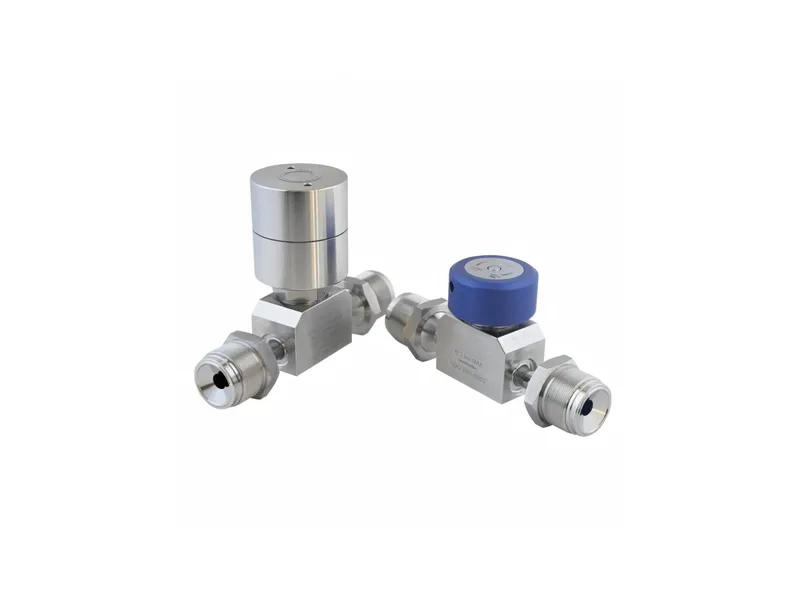
HPLow-Pressure High-Flow Diaphragm Valve —DV3 Series
Low-pressure large-flow diaphragm valve, Cv 2.8, 10.2 mm bore. Tied-diaphragm, 1/2" to 1" ports.
- Semiconductor fab gas stick isolation
- Specialty gas panel point-of-use
- Bulk gas distribution headers
- Process gas manifolds
Frequently Asked Questions
What diaphragm materials are available and how do I choose between Co-Ni alloy and Hastelloy C-22?
Co-Ni alloy diaphragms are the standard choice for most UHP semiconductor gases including N₂, Ar, He, and H₂, offering a balance of cycle life and corrosion resistance. Hastelloy C-22 diaphragms are specified for highly corrosive chemistries such as HCl, WF₆, BCl₃, and halogen-bearing gases where Co-Ni alloy may suffer accelerated fatigue. Consult the gas compatibility chart in the product datasheet and specify Hastelloy C-22 whenever the process gas has a chloride, fluoride, or strong oxidizer component.
What is the rated cycle life for KTIC diaphragm valves, and what factors shorten it?
Standard UHP diaphragm valves are rated for ≥150,000 full open/close cycles at the nominal operating pressure. Cycle life is reduced by operating above the rated pressure, by large ΔP across the diaphragm during actuation, by elevated temperatures above 85 °C, and by chemical attack on the diaphragm material. Pneumatic actuation with controlled supply pressure and gentle seating force extends service life compared to manual operation with excessive torque.
Is Hastelloy C-22 the required standard for all corrosive-gas diaphragm valves, or are there alternatives?
Hastelloy C-22 is the most common high-corrosion choice and is stocked in all standard port sizes. For ultra-high-purity fluorine or ClF₃ service, Monel 400 or nickel-body valves may be required instead. For moderate corrosion at lower pressures, PVDF-lined body options exist. Always cross-reference the specific gas, concentration, temperature, and pressure against the manufacturer's compatibility table before selecting a diaphragm/body combination.
How should VCR face-seal fittings be installed on diaphragm valve ports to ensure leak-tight connections?
VCR face-seal connections require a fresh silver-plated or stainless retainer gasket for every assembly. Clean all mating surfaces with IPA and inspect for scratches under magnification before assembly. Finger-tighten the nut until snug, then advance 1/8 turn (UHP) or 1/4 turn (standard) with a calibrated torque wrench — typically 100–125 in-lb for 1/4" and 200–225 in-lb for 1/2". Never re-use a compressed gasket. After assembly, perform a helium leak check to ≤1×10⁻⁹ atm·cc/s before pressurizing with process gas.
What is the correct purge procedure for diaphragm valves before introducing a reactive or toxic process gas?
Perform a minimum of five pressure-cycle purges using dry N₂ or Ar at the system's rated pressure. With the valve closed, pressurize the upstream side, then open the valve to purge through the downstream vent. For pyrophoric or highly toxic gases (WF₆, BCl₃), extend to ten purge cycles and verify residual moisture below 1 ppb with an inline moisture monitor before switching to process gas. Document purge cycle count, pressure, and moisture readings in the maintenance log.
Need Help Choosing?
Contact our technical sales team for application-specific recommendations and pricing.
Contact Sales